During the appraisal of this program, Palau’s water and sanitation sector was characterized by (i) an inadequate legal and regulatory framework, (ii) low tariffs and high consumption, (iii) fragmented management and service delivery responsibilities, (iv) inefficient operations and management, and (v) a projected water shortage due to excessive demand growth and high system losses.
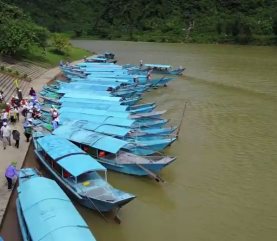
Mountains and hills cover about 94% of the land area of Yunnan, a landlocked province in southwestern People’s Republic of China (PRC). In 2008, the province’s per capita gross domestic product (GDP) was 55% of the national average, the third lowest among the country’s administrative areas. Poverty incidence was among the highest, at 15% of the province’s total 45.3 million people.
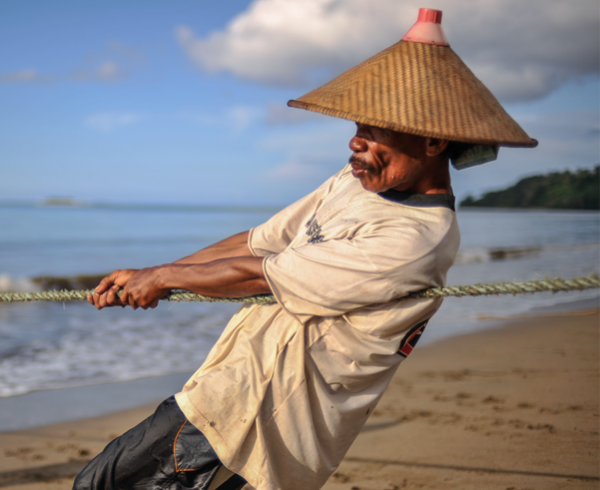
Indonesia’s poor people declined from 32.53 million in March 2009 to 31.02 million in March 2010. Nevertheless, rural poverty remained high, partly because of continuing limited access to basic services and poor transport. In the urban areas where about half of the country’s 250 million people lived, only about 1% of had access to sewerage.
Even before the 2007 global financial crisis, micro, small, and medium enterprises (MSMEs) in India had already been burdened by numerous systemic constraints, including limited institutional credit, high-cost borrowing, weak marketing facilities, poor infrastructure, technological obsolescence, and a perception that they are high-risk enterprises.
Many cities and industrial centers in the People’s Republic of China (PRC) are on or near major rivers, which puts a high proportion of the country's economic activity at risk from periodic floods. Major flooding and the poor drainage that contributes to it constitute the most common and severe form of natural hazard in the PRC.
Evaluation-Lessons.org uses cookies to improve your user experience. To learn more, click here to view our cookie policy. By clicking on OK or continuing to use the site, you agree that we can place these cookies.