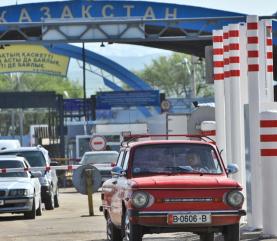
In December 2006, the Asian Development Bank (ADB) approved a $5 million loan and $500,000 grant for Mongolia’s Customs Modernization Project. The project reflected government’s efforts to promote trade and improve the investment climate through customs reform and modernization. It also supported the country’s accession to the Revised Kyoto Convention of the World Customs Organization and the
Landlocked Lao People’s Democratic Republic (Lao PDR) is poor, mountainous, and sparsely populated. Most of its poor live in rural areas with limited access and connection to the outside world. Improving road access removes the physical and cost impediments to the provision of social services and enhances the ability of the poor to benefit from overall economic growth.
At project appraisal, poor road conditions were adversely affecting the economy of Papua New Guinea’s (PNG) Highlands Region and the country’s export earnings. Travel times on the roads were excessive and routes were difficult, and in many locations, unsafe.
The North East Community Restoration and Development (NECORD) project comprises four overlapping interventions, each designed to meet the requests of the government of Sri Lanka for support to rebuild basic services and livelihoods in the northern and eastern provinces damaged or disrupted by 20 years of armed conflict between government forces and the Liberation Tigers of Tamil Eelam (LTTE).
Fuzhou, the provincial capital of Fujian, is a major commercial, industrial, and financial center and one of the high-growth cities in the People’s Republic of China (PRC). Rapid urbanization and economic growth in the city have created serious shortfalls in urban infrastructure services, especially wastewater management.
Evaluation-Lessons.org uses cookies to improve your user experience. To learn more, click here to view our cookie policy. By clicking on OK or continuing to use the site, you agree that we can place these cookies.