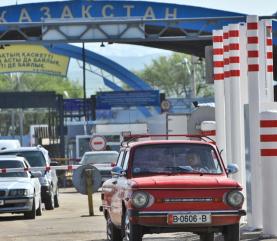
Uzbekistan is a landlocked country providing a key transit point for Central Asian countries looking to trade among themselves as well as the rest of Asia and Europe. As with other landlocked developing countries, it has faced several challenges in connectivity, logistics, and access to sustainable modes of transport.
Nepal’s transition to democracy, following the end of a decade-long civil conflict in April 2006, had been complex and sometimes halting because of the deep ideological, social, and economic divisions that propelled the conflict.
During project preparation, an unprecedented inflow of foreign direct investment (FDI) in cross-border contract farming and large land concessions marked the agriculture and natural resources (ANR) sector of the Lao People’s Democratic Republic (Lao PDR). Investors included businesses from the People’s Republic of China, India, Republic of Korea, Thailand, and Viet Nam.
The rapid economic growth of the People’s Republic of China (PRC) has depended in part on reservoirs, which have facilitated flood control, irrigation, hydropower generation, and water supply. These reservoirs are grouped by the country into three safety classes. Class III, comprising 37,032 reservoirs or 43% of the total as of end−2006, are the least safe.
Huge increases in electricity demand, averaging more than 13% annually in 2001-2008, had accompanied the rapid economic growth of the People’s Republic of China (PRC) in the years leading to the project appraisal in 2009. As supply could not keep pace with demand, power shortages became rampant in some areas.
Evaluation-Lessons.org uses cookies to improve your user experience. To learn more, click here to view our cookie policy. By clicking on OK or continuing to use the site, you agree that we can place these cookies.